Text: Erkki Miinala
Photos: Mauro Diogo
In this article, we recap the Women’s Champions League tournament played in Rostock, Germany, from 20–22 August. It was the seventh edition of the tournament in history. Huge thanks to the event’s main organiser, RGC Hansa Rostock, as well as to every participating team, referee, official and volunteer for your invaluable contribution to making the tournament possible. Many thanks also to everyone who followed the matches over the three days, either in person at CJD Sports Hall or via our livestream broadcast.
You can find the tournament’s official competition page, including results and statistics, here.
TOURNAMENT SET-UP
The tournament’s eight teams were divided into two preliminary groups of four teams each. In the preliminary groups, a single round-robin was played, after which the teams advanced to the quarter-finals. The preliminary groups carried extra importance, as after the group stage the teams were ranked according to points earned and goal difference. The semi-final and placement-match pairings were subsequently determined based on this ranking. In the quarter-finals, the winner of one group faced the fourth-placed team from the other group, while the second-placed team faced the third-placed team from the other group.
TOP TEAMS CLASHED IN GROUP A – THE HOSTS WERE THE STRONGEST
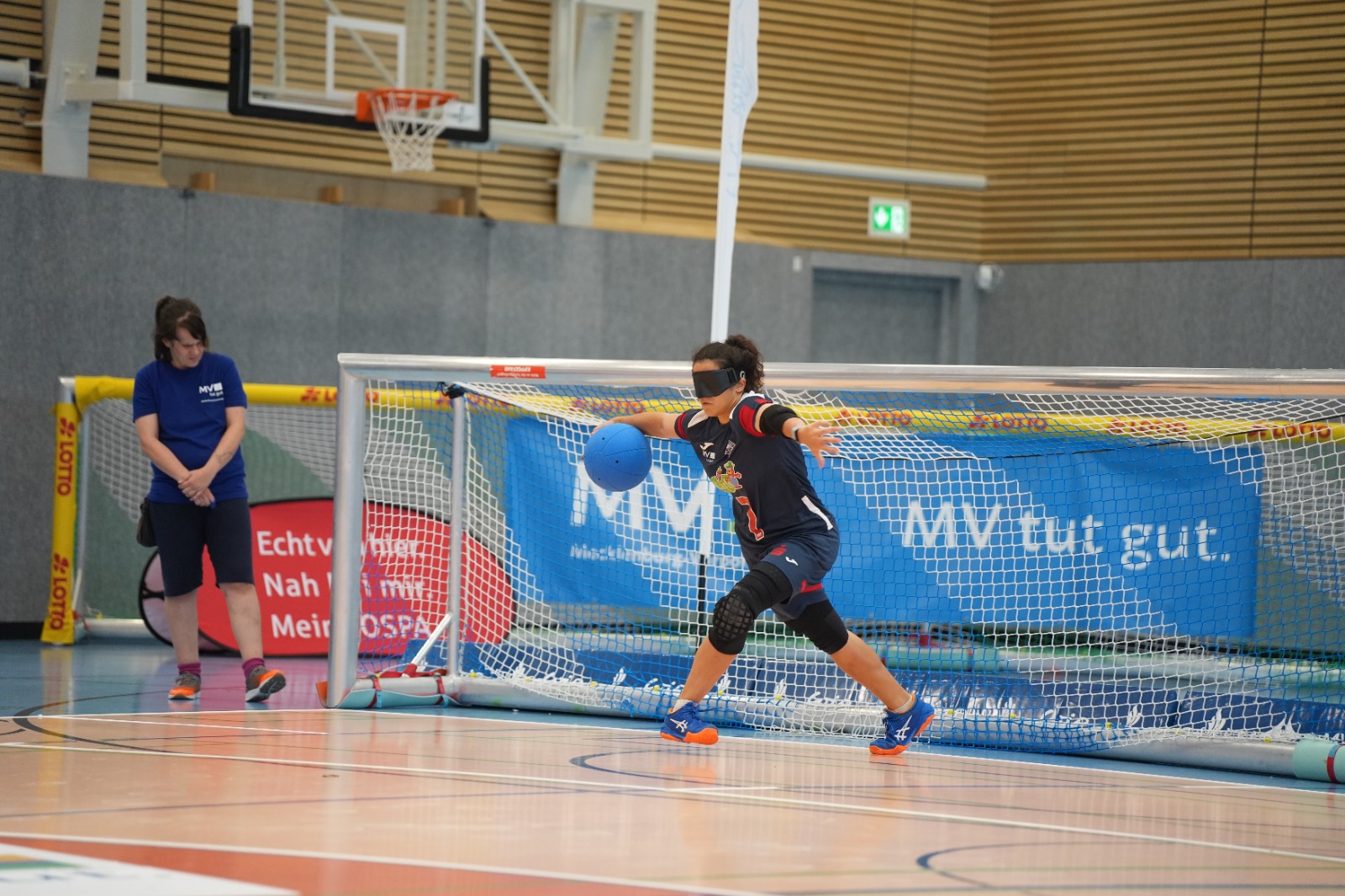
In Group A, hosts RGC Hansa Rostock got off to a magnificent start to the tournament by defeating one of the biggest pre-tournament favourites, last year’s silver medallists Kahramanmaras from Türkiye, 5–3. After that, they also overcame last year’s bronze medallists FIFH Malmo and, after a tightly contested match, the reigning French champions GC Lyon’s Golden Flash. Kahramanmaras finished second in Group A with two wins, while FIFH Malmo came third after defeating Lyon’s Golden Flash, who therefore failed to open their winning account in the preliminary group.
GROUP B WAS FIRMLY DOMINATED BY OLD POWER
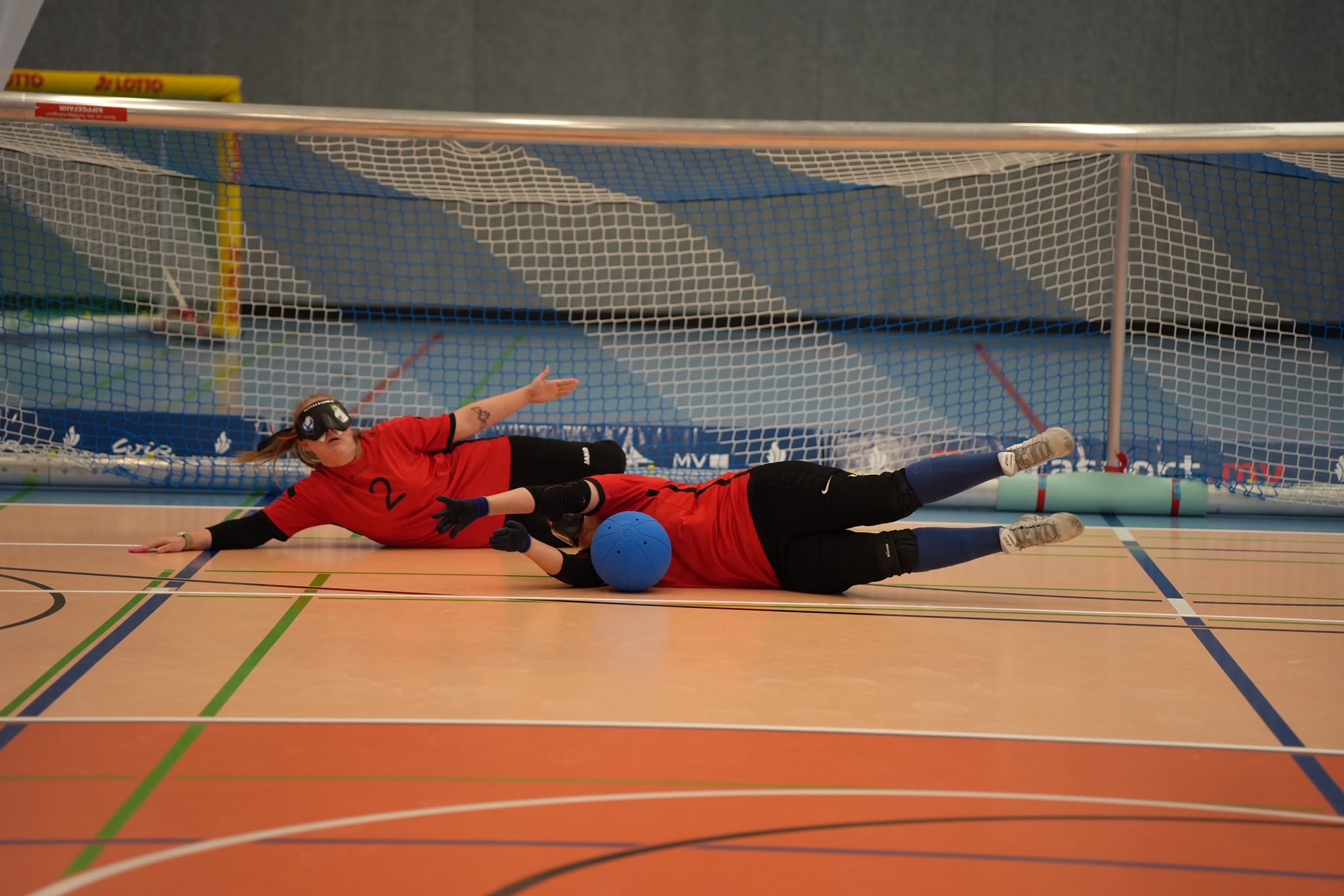
In Group B, Finland’s Old Power maintained a blistering pace, defeating Dutch side USV Hercules 8–5 in their opening match, followed by Türkiye’s Isparta 10–5 and finally the reigning League champions, Füchse Berlin, who were suffering from serious injury problems, by a clear 10–0 scoreline. Old Power advanced to the quarter-finals as the best team of the preliminary groups, with a goal difference of 28–10. Old Power’s brightest star was Japanese addition Saki Amuro, who scored an astonishing 22 goals in three matches. Isparta finished second in the group with two narrow victories, Hercules was third with one win, and Füchse Berlin finished last with three defeats.
FAVOURITES ADVANCE FROM THE QUARTER-FINALS
The quarter-finals did not yet produce much drama. In the first quarter-final, hosts RGC Hansa Rostock rolled over Füchse Berlin, eventually winning 11–1; the match ended after approximately 14 minutes of play. In the following quarter-final, FIFH Malmo built a sufficient lead over Turkey’s Isparta already in the first half, with the half-time score standing at 5–0. In the end, this perennial powerhouse of the Women’s Champions League secured its sixth consecutive semi-final appearance with a 6–1 victory.
Old Power’s machine did not slow down in the quarter-final against GC Lyon’s Golden Flash either, as once again the team was completely unstoppable. Operating with a very deep roster, just as in their preliminary-group matches, Old Power returned to the Women’s Champions League semi-finals and medal matches after a two-year absence with a 9–4 victory. In the final quarter-final, USV Hercules stayed with Kahramanmaras for more than half of the first 12-minutes, but after that the Turks’ pace proved too much, and Kahramanmaras won 14–6.
OLD POWER WON THE NORDIC DERBY, KAHRAMANMARAS REACHED THE FINAL AGAIN
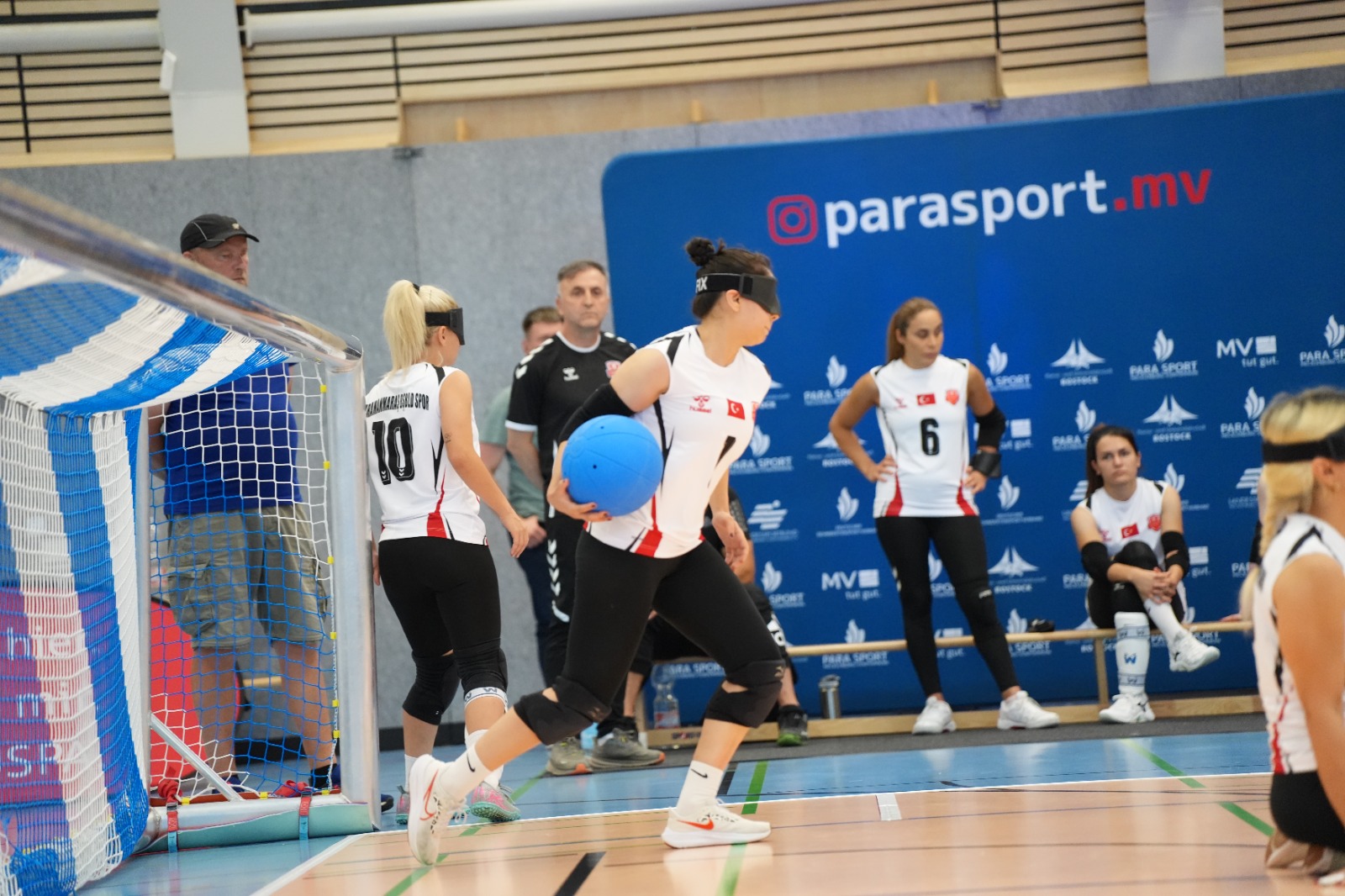
Old Power and FIFH Malmo met in the tournament’s first semi-final. These two clubs have produced some tremendous thrillers over the years, and once again we witnessed one of them. Old Power’s coaching staff, still inexperienced on the international stage, made a truly surprising tactical move by moving Saki Amuro to the right wing, where she had not played during the tournament before.
The first half was intense, but ultimately goalless. Early in the second half, Dutch player Stephanie Boenink scored twice for Old Power, and with around five minutes remaining, Amuro’s goal to make it 3–0 came. FIFH Malmo’s star player, Anja Christensen, the all-time leading scorer in Women’s Champions League history, pulled one goal back, but Old Power’s iron-clad defence conceded no more goals, and the team advanced to the Champions League final after a three-year absence.
In the second semi-final, hosts RGC Hansa Rostock and Kahramanmaras met again in this tournament. In the first half, the hosts’ Israeli star Lihi Ben David fired her team into a 1–0 lead. There was much more on offer, but the hosts missed their penalty throws on no fewer than three occasions. And when you don’t take your chances, your opponent does: Kahramanmaras eventually levelled the score at 1–1 through Reyhan Yilmaz before the half-time buzzer sounded.
The second half began with a game-delay penalty against Kahramanmaras, and Ben David finally punished the Turks by restoring her team’s lead at 2–1. In the second half, the Turks’ extremely fast tempo proved too much for the hosts. First Gülsah Aktürk brought her team level, and shortly afterwards they moved ahead. Reyhan Yilmaz completed the final score of 4–2 for Kahramanmaras. Thus, Kahramanmaras advanced to the Champions League final for the second consecutive time.
OLD POWER BECAME EUROPEAN CHAMPIONS WITH A MAGNIFICENT DEFENCE – BRONZE FOR THE HOSTS
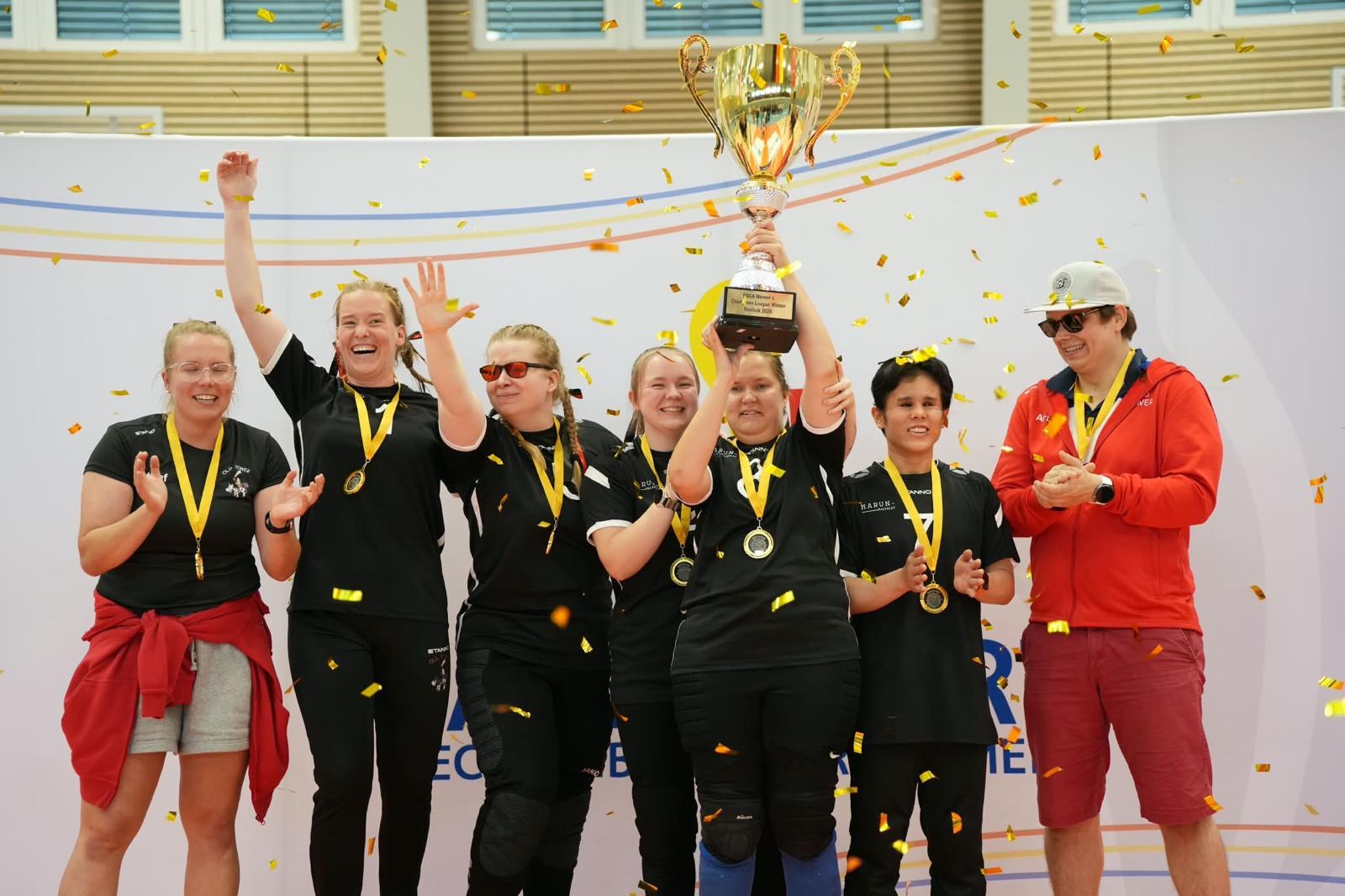
Old Power’s starting line-up in the final consisted of Saki Amuro, Susanna Halme and Stephanie Boenink. Kahramanmaras fielded three Paralympic gold medallists: Fatma Gül Güler Erman, Gülsah Aktürk and Reyhan Yilmaz.
The first half was very cautious for a long time. The Turks had an opportunity to take the lead when Amuro’s throw was a highball, but the Japanese player stretched to make an excellent save on the penalty. Amuro broke through from the Turkish defence’s right cape just under two minutes before the half-time buzzer, putting Old Power 1–0 ahead. That was also the half-time score.
The thriller continued in the second half. The Turks received their next penalty opportunity after a highball by Boenink, but Boenink correctly anticipated where the Turks were going to throw and stretched to make a crucial save. Amuro was taken to the bench and Iida Kauppila came on at right wing to defend Old Power’s lead. After the halfway point of the second half, Old Power were awarded a penalty opportunity, but Kauppila’s penalty throw was a highball. This time, Lady Luck was smiling on Old Power, as the Turks’ throw struck the post, trickled back into play and eventually ended up in Kauppila’s hands.
With around four minutes remaining, Amuro returned to the court, this time as the left winger in place of Boenink. Amuro once again became Old Power’s hero when she converted the next penalty opportunity with surgical precision, putting the ball into the Kahramanmaras net and giving Old Power a 2–0 lead.
Kahramanmaras had searched for a way through Old Power’s defensive wall for more than 23 minutes before the match became even more of a thriller, as Reyhan Yilmaz struck the ball in off Old Power’s right post with 55 seconds remaining in the match. After that, the Turks tried everything possible, both legal and illegal, to disrupt Old Power’s flow and make them lose their nerve, but without success.
Old Power celebrated the European championship after a three-year wait, winning 2–1. In particular, Old Power center player Susanna Halme was absolutely magical defensively in the final.
Old Power is now the most successful club in Women’s Champions League history, with two gold medals, one silver and two bronze medals.
The bronze-medal match was a rematch of last year’s encounter, when FIFH Malmo defeated RGC Hansa Rostock in the bronze-medal match in Berlin after an extra throws competition. The hosts came into the match extremely fired up, although once again they missed two penalty throws in the first half. The first half was still evenly contested, ending 2–2.
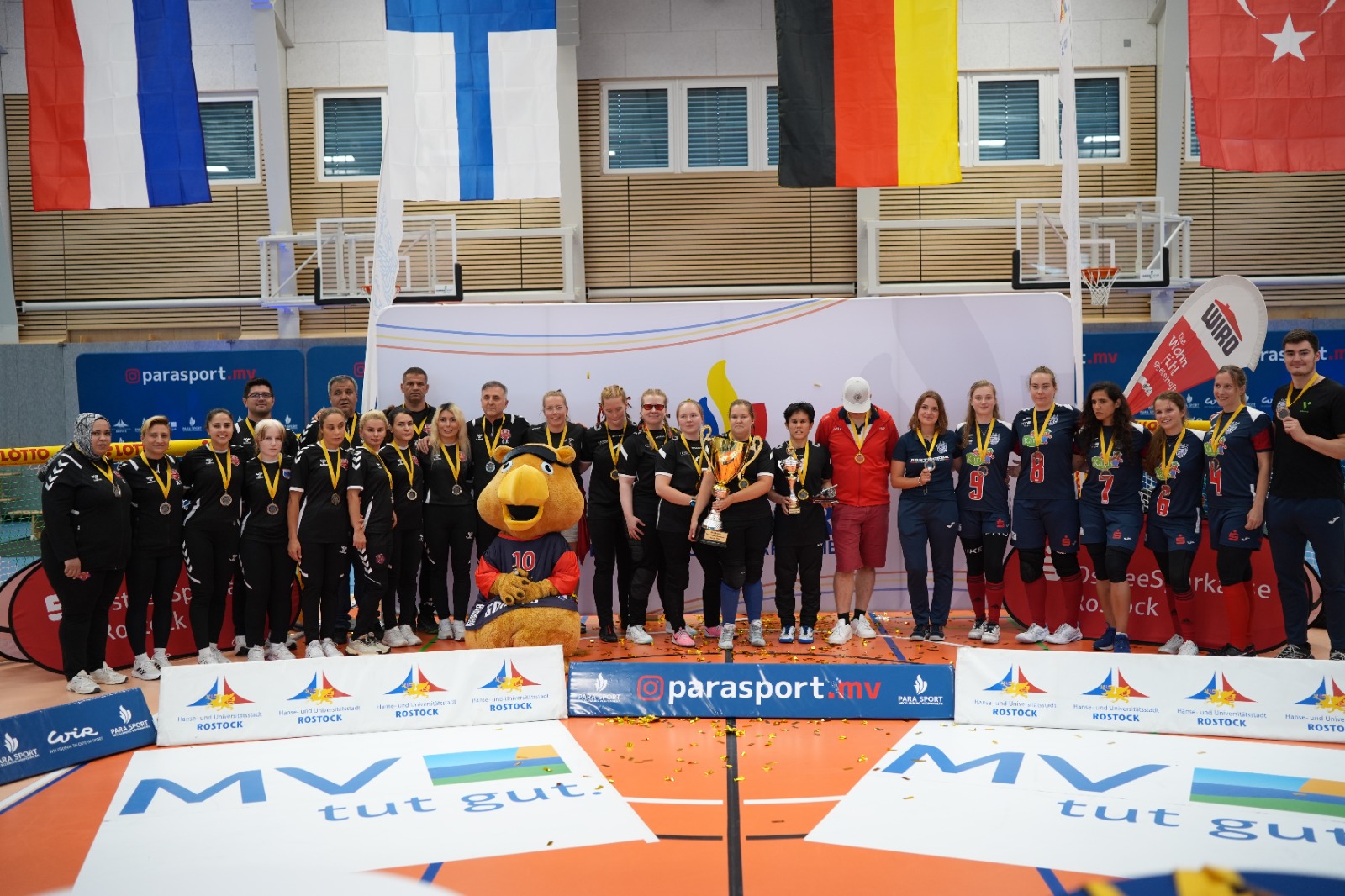
The beginning of the second half went as the hosts had hoped, as they managed to tire out FIFH Malmo’s star attacker Anja Christensen and also scored several goals through Ben David’s precise strikes. FIFH Malmo fought bravely, but in the end RGC Hansa Rostock celebrated the bronze medal in front of their loud home crowd, winning 6–4.
This was the first time FIFH Malmo had failed to win a medal in the Women’s Champions League. For RGC Hansa, the bronze medal was the third Women’s Champions League medal in the club’s history.
FÜCHSE BERLIN UNRELENTING IN THE PLACEMENT MATCHES
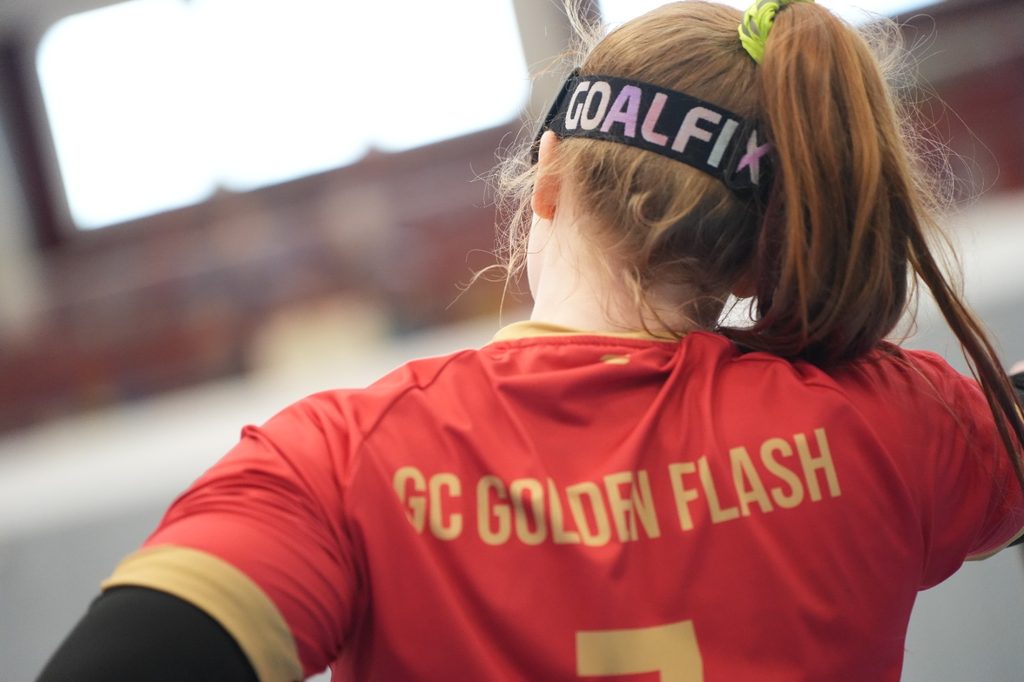
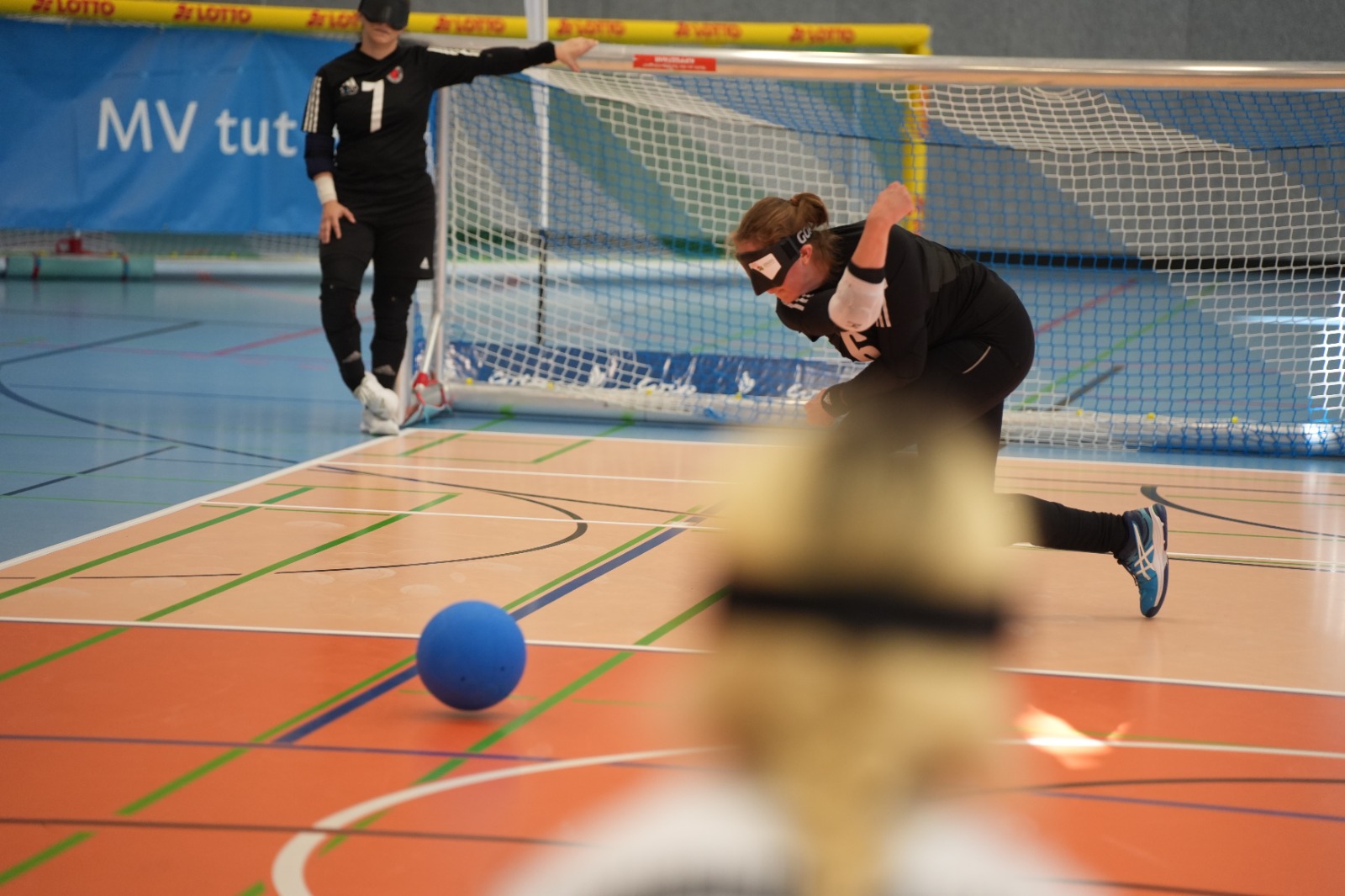
Caption: GC Lyon’s Golden Flash’s Chelsea Hudson is consentrating for the next throw in the match
Füchse Berlin came into the final day determined, taking two excellent victories and, with them, fifth place in the tournament. GC Lyon’s Golden Flash opened their winning account by defeating USV Hercules in impressive fashion, 3–0, in the first placement match, but on this occasion they were unable to do anything against Füchse Berlin.
Hercules, meanwhile, finished seventh in the tournament after comprehensively defeating Isparta, who had also been hit by serious injury problems, 11–1 in the placement match.
OLD POWER’S AMURO WINS TWO AWARDS
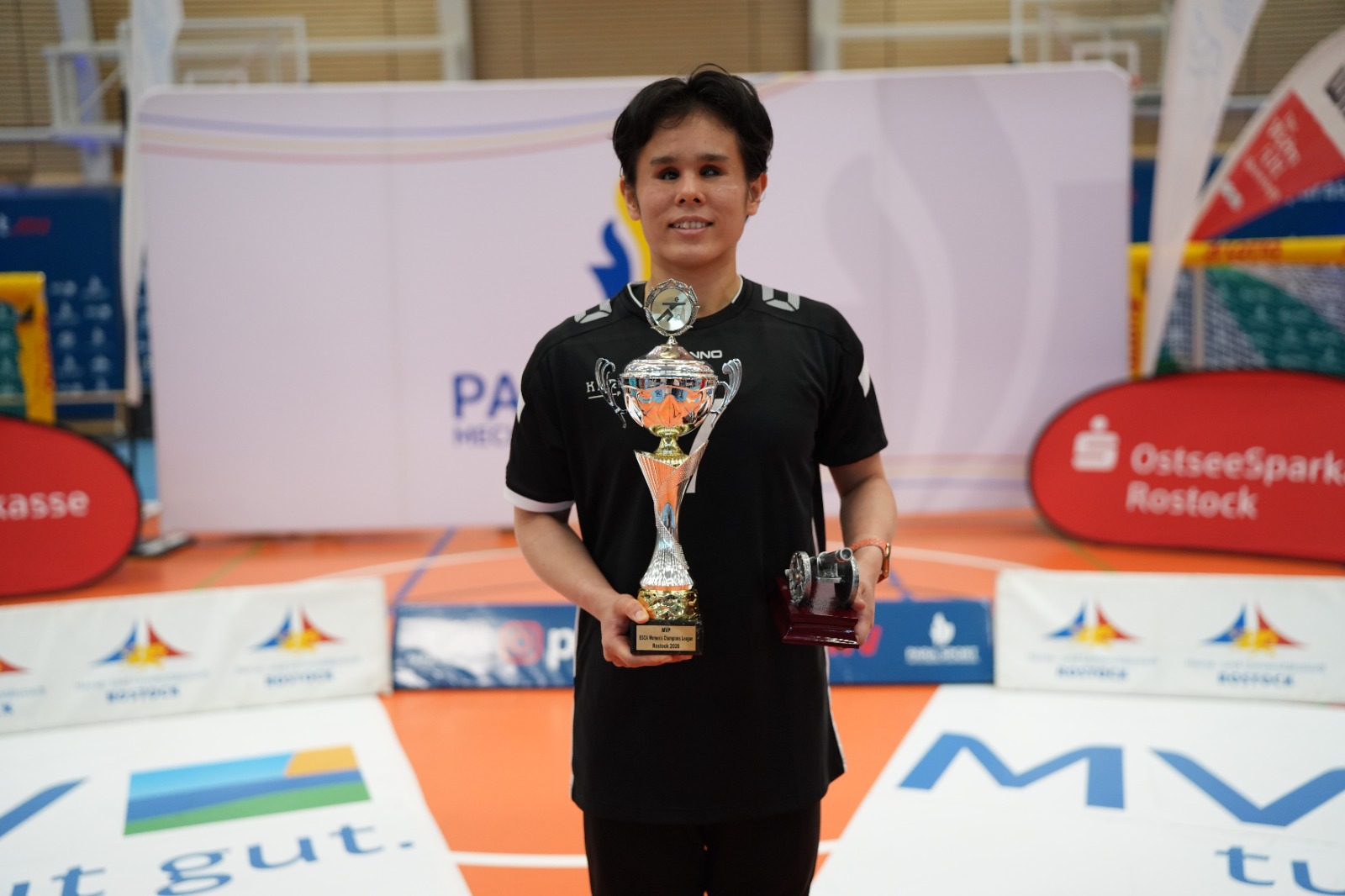
Old Power’s Saki Amuro cleaned up at the awards ceremony. The trophy for the tournament’s top scorer was presented to the Japanese player, who scored 29 goals. She finished five goals ahead of RGC Hansa Rostock’s Lihi Ben David, who was second in the scoring statistics, and seven goals ahead of USV Hercules’ Femke van den Born, last year’s top scorer, who finished third.
The teams also voted Amuro the tournament’s Most Valuable Player, meaning the Japanese player’s conquest of Europe was nothing short of magnificent.
NEXT YEAR THE EUROPEAN CHAMPIONSHIP WILL BE CONTESTED IN TURKEY
The 2027 edition of the Women’s Champions League tournament will be played in Antalya, Turkey, from 22–26 September 2027. The main organiser will be Isparta, who made their debut at the Rostock tournament. EGCA’s goal is once again to have at least 10 participating clubs in next year’s tournament.
“This was a brilliantly organised tournament. A huge thank you to RGC Hansa Rostock for their professionalism, hospitality and endless passion for goalball, which always make tournaments in Rostock unforgettable experiences.
We had three days filled with fantastic matches and had the privilege of witnessing some of the world’s best goalball players in action, which is always a great honour.
Of course, from EGCA’s perspective, we are not entirely satisfied that we managed to attract only eight teams to the tournament this time. A few teams had to withdraw at the last minute, which was a little disappointing.
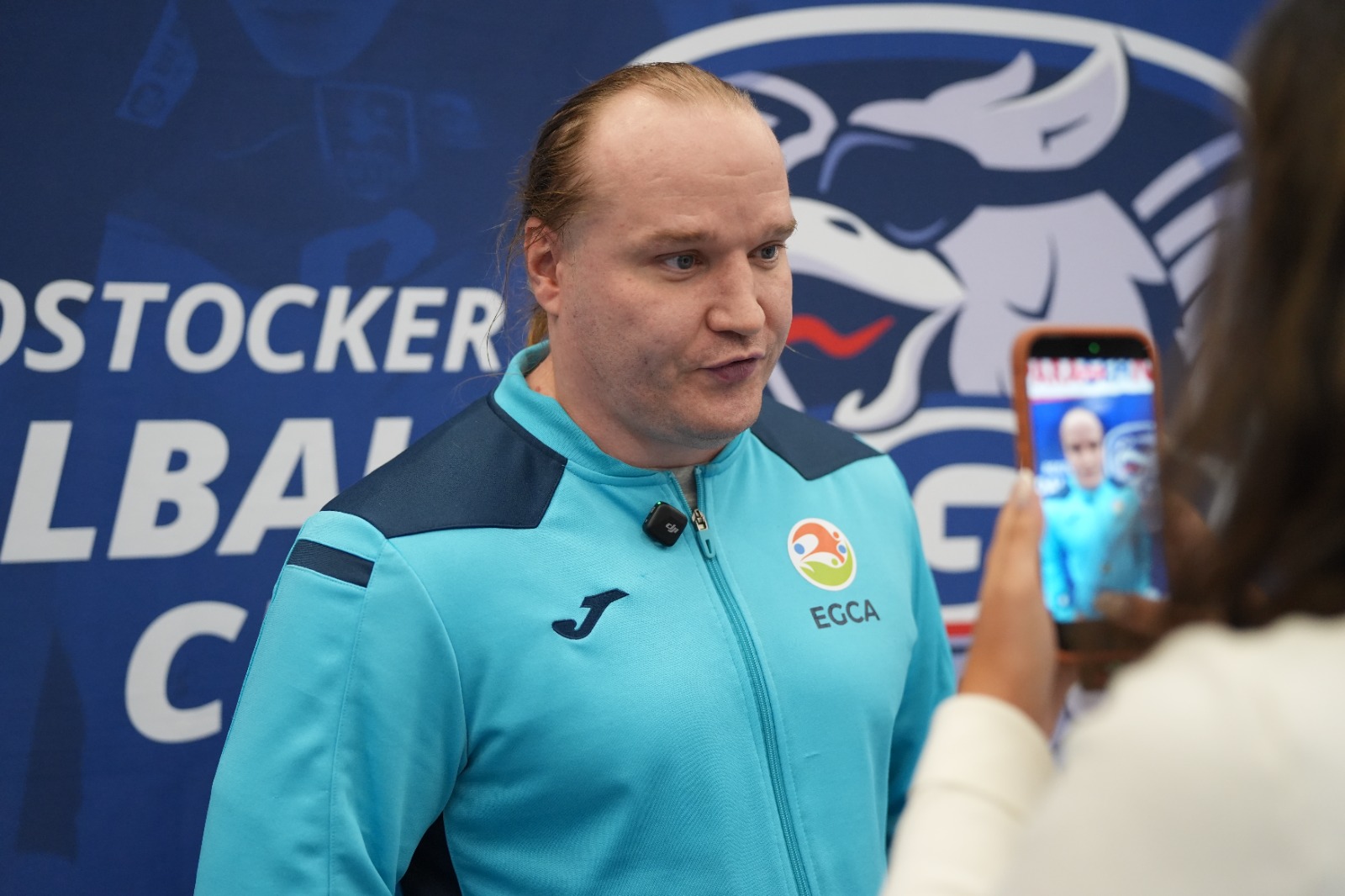
Women’s goalball is much more widespread across Europe than what we managed to reach on this occasion, but the work continues. We hope that next year we will once again welcome new clubs from new countries, helping this goalball club boom to spread to women’s goalball as well”, stated the President of EGCA, Erkki Miinala right after the tournament.